When patients ask me which olive oil “helps the prostate,” the honest answer is that we cannot promise a specific oil type will treat prostate enlargement or prevent prostate disease. What we can do, responsibly, is compare olive oil types based on what they tend to preserve, click here what they tend to remove, and how that may translate to anti inflammatory and vascular support. Prostate health is not one pathway, so the best choice is usually the one that keeps the protective compounds intact while fitting your cooking habits and dietary pattern.
If you are shopping in 2026, the label language can feel like a maze. Below is a practical, clinically minded comparison, focused on the olive oil and prostate health question and the buying decisions that matter.
Why “type” of olive oil matters for prostate health
Olive oil is not only fat. It carries a profile of minor components, including polyphenols, that are often discussed in relation to inflammation and oxidative stress. In prostate health, those themes are relevant because chronic inflammation and metabolic risk are commonly discussed in clinical care. However, the evidence base varies by outcome, and results in the real world depend on what is actually in your bottle and how you use it.
The type of olive oil influences what compounds survive processing and heat exposure.
A few practical points from counseling experience:
- If a product is heavily refined, it may have less of the native polyphenol fraction. If a product is extra virgin and properly stored, it generally retains more of those naturally occurring protective constituents. If you use olive oil mainly at high heat, the total “benefit” becomes less about the original polyphenol concentration and more about overall fat quality and total diet pattern.
That is the framework I use when advising, especially for men managing urinary symptoms, elevated PSA discussions, or metabolic syndrome risk factors.
Extra virgin vs refined olive oil prostate: the core comparison
The phrase “olive oil and prostate health” often leads people to believe there is a single best category. In practice, the most defensible buying choice for prostate support is usually extra virgin, when budget and quality align.
Extra virgin olive oil (EVOO)
Extra virgin is produced from olives using mechanical processes and careful control to avoid significant chemical refining. That tends to preserve polyphenols and the aromatic compounds that also correlate with freshness.
I often recommend EVOO for patients who want a daily “base fat” and use it in low to moderate heat applications, such as salads, drizzle on cooked vegetables, or finishing soups.
Refined olive oil
Refined olive oil is filtered and chemically processed to improve stability and reduce defects. This usually means less of the naturally occurring polyphenol content compared with extra virgin.
Refined oil is not “bad.” It can be a reasonable cooking fat when you need a neutral flavor or when the primary goal is consistent high temperature performance. But for the narrow question of best olive oil prostate health support, refined versions generally offer less of what many clinicians would consider the key differentiator.
A simple decision rule
If you want to prioritize the biochemical profile that tends to be highest in extra virgin, choose extra virgin. If you primarily need a workhorse oil for frying or long high heat cooking and you also eat high quality extra virgin in other meals, a blend can still be reasonable. The worst scenario is relying on a highly refined product exclusively while also avoiding olive oil rich foods overall.
Cold pressed olive oil prostate benefits: what “cold pressed” actually signals
You will see marketing terms like “cold pressed.” This label often means the oil was extracted without excessive heat during pressing. That can help preserve aroma and some sensitive compounds, including polyphenols, depending on how the product was handled afterward.
From a buying standpoint, “cold pressed” is not the same category as “extra virgin.” The most important hierarchy is:
- “Extra virgin” is a quality standard based on chemical and sensory criteria. “Cold pressed” describes processing temperature during extraction, but it is not a quality guarantee by itself.
In the prostate health context, if you see a bottle that is both extra virgin and cold pressed, and it has good storage practices, that is the scenario I would typically call the most aligned with the idea of cold pressed olive oil prostate benefits. If you see “cold pressed” without “extra virgin,” I would treat it as a secondary claim and verify what the label actually says.
What to look for on the label in 2026
- Harvest date or “best by” that suggests reasonable freshness “Extra virgin” clearly stated Dark bottle or tin, which reduces light driven degradation No misleading claims about treatment, because olive oil should not be positioned as a therapy
Freshness matters more than many people expect. Polyphenols can degrade over time. Even a high quality oil loses some of its most valuable minor components once it sits warm in a bright cabinet for months.
Cooking with olive oil for urinary symptoms and overall risk: practical trade-offs
Patients sometimes ask whether olive oil must be taken as an olive oil supplement prostate health strategy, usually because swallowing capsules seems simpler than monitoring how they cook. In my clinic, I treat supplements as optional, not foundational.
Olive oil can support diet quality either as a whole food fat or, less commonly, via supplements. But the method of intake shapes how much of the original oil’s compound profile reaches you.
When EVOO makes the biggest difference
Extra virgin olive oil tends to be best for:
- Spoonfuls or drizzles on foods you eat shortly after preparation Low heat cooking where you are not trying to extract maximum smoke performance Long term routine adherence, because flavor makes it easier to stay consistent
Consistency is a quiet driver of outcomes. A man who genuinely uses a few tablespoons of extra virgin daily in 2026 is likely to improve dietary fat quality more reliably than someone who buys a supplement but rarely changes his overall pattern.
When refined oil can still have a place
Refined olive oil can be reasonable for higher heat cooking. The clinical caution is simply that it is less likely to deliver the polyphenol profile you would normally chase for best olive oil prostate health support. If you use refined for frying, I recommend balancing it with extra virgin elsewhere so you still get the high quality option in your routine.
Olive oil supplement prostate health: where I draw the line
The supplement market is full of products that promise broad benefits. For prostate health, I look for two things: transparency and realistic claims. In general, supplements may be helpful when someone cannot tolerate the taste of olive oil or cannot use it reliably due to swallowing issues, access, or medical diet limitations.
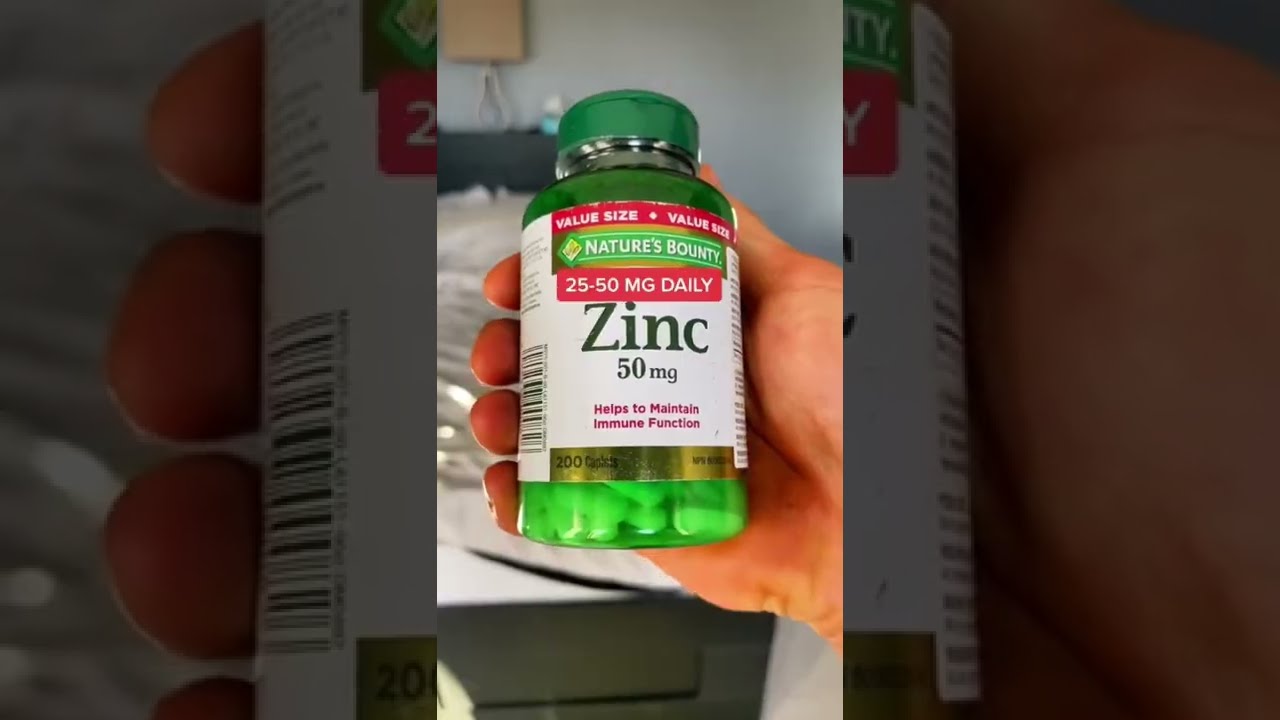
But supplements should not replace evidence based medical care. If a prostate health patient has elevated PSA, bothersome urinary symptoms, or a concerning trajectory, olive oil choices are supportive. They do not substitute for monitoring, urology assessment, or prescribed therapy.
Here is how I frame the trade off in a way that patients can act on without overpromising:
- If you can use extra virgin safely, food first is usually the simplest and most consistent approach. If you struggle to eat enough olive oil in your actual meals, a supplement may improve adherence, but you still need dietary overall balance. If you are using both, avoid thinking of them as interchangeable. One adds culinary satisfaction and meal structure, the other is a controlled dosing strategy. If a label claims to treat prostate conditions, that is a red flag for overreach.
What I recommend choosing in 2026
For most men seeking best olive oil prostate health support, my purchasing guidance is straightforward: start with extra virgin, prioritize freshness, and use it in ways that preserve its character.
If you are shopping now, these are the highest yield choices I typically recommend discussing with your clinician or dietitian, especially if you have urinary symptoms or metabolic risk.
Quick buying checklist
- Choose extra virgin olive oil for daily use Prefer harvest dates, or at least evidence of recent production Look for opaque packaging and good storage Use extra virgin for salads, finishing, and low to moderate heat cooking Treat supplements as optional support, not a substitute for medical evaluation
Ultimately, prostate health is a long game. Olive oil type matters most when it changes what you actually eat week after week. In 2026, the best bottle is the one you will use consistently, prepared in a way that respects the oil’s quality.