Crunches have a way of sticking around. They’re simple to picture, easy to cue, and they feel like they’re “doing something” for your abs. The problem is that many people end up chasing reps instead of tension, and that often turns a core exercise into a neck and hip-flexor workout. At home, where form checks are harder, that mismatch can show up fast.
If you want an ab workout without crunches, you can replace them with movements that train the same job, with better control and less strain. The goal is not to avoid crunches forever, it’s to swap in options that make your core work harder without turning every set into discomfort.
Why crunches don’t always work the way you expect at home
A crunch is supposed to train spinal flexion, but most home lifters don’t actually flex the spine in a controlled way. They hinge forward, yank the ribcage, or curl the head toward the hands. Over time, that can create two common issues.
First, your hip flexors start doing the heavy lifting. When your thighs and pelvis take over, your abdominal wall stops staying braced. You can burn out, but you don’t get the same “tight core” feeling that makes the exercise worthwhile.
Second, you may feel it in the wrong places. If your neck tightens, your low back complains, or your shoulders creep upward to “help,” your crunch technique is likely compensating. That doesn’t mean your body is broken. It means the exercise pattern you’re using is easier to cheat than to execute well.
There’s also the factor of fatigue. Crunches are deceptively hard on endurance, but they don’t always demand the kind of full-body bracing that transfers to better posture, safer lifting, and steadier movement. If your abs flare up mainly as a consequence of sloppy curling, you’re likely missing out on stronger core training.
So, the fix is simple: replace crunches with exercises that keep the trunk braced and the spine neutral, or that flex the torso while you control the range without turning the rep into a tug-of-war.
The core jobs to target when you replace crunches
When you swap exercises, you need a target. “Abs” is broad. A smarter approach is to train the functions your body actually uses every day: bracing, anti-extension, anti-rotation, and controlled flexion.
Here’s the practical way to think about it:
- Anti-extension means resisting low-back sagging while your limbs move. This is where many people feel safer and more stable core work. Anti-rotation means resisting twisting as your arms or legs move across your body. Controlled flexion means you can crunch or curl without yanking your neck or collapsing your ribs forward.
You don’t have to hit all of these every session, but you should rotate through them across the week. That’s how you build an ab routine without crunches that still feels complete.
Quick self-check you can do in 30 seconds
Before you swap in new exercises, pause and check what your body does during your current crunch variation. Can you keep your ribs down without gripping your neck? Can you curl with your abs instead of your hip flexors? If the answer is no, you’re ready for safer core exercises replacing crunches that emphasize bracing and control.
Effective crunch replacements you can do at home
You’ll get the best results when you match the exercise to the movement you want. Some options emphasize stability, others emphasize tension through the midsection, and most are easier to judge because your torso has fewer “escape routes.”
Below are crunch replacements that usually land well in home fitness setups, whether you have a mat only or a pair of light dumbbells.
Safer core exercises replacing crunches
1) Dead bug variations (especially heel taps)
Keep your lower back gently connected to the floor. Move your legs one at a time, slow enough that you can feel your abs “hold the line.” If your back lifts, your range is too big.2) Plank with reach (on forearms or hands)
This is an anti-extension workhorse. Brace your ribs down, squeeze your glutes lightly, and reach without letting your hips dip. It looks easy until you try to keep the trunk rigid while the arm extends.3) Hollow body hold or dead-bug to hollow transition
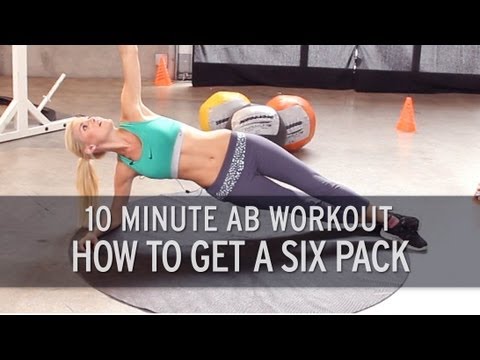
4) Side plank (progress to hip lift or reach)
Side plank is anti-rotation and anti-lateral-flexion in a very usable package. If you feel it more in your shoulder than your core, adjust your elbow position and lift height gradually.5) Reverse crunch with a neutral neck (only if you can control it)
Not all “crunch-like” moves are equal. A reverse crunch can work if your chin stays neutral and the motion comes from controlled pelvic curl, not a jerky head tug. If you feel low-back strain, skip it.If you need a simple rule, use this one: choose the replacement that lets you keep your ribcage home workout down and your low back calm while you move.
How to program an ab workout without crunches
Replacing crunches isn’t just about exercise selection. It’s about session structure. When you remove an exercise you’ve done for years, your routine can get chaotic unless you set a plan.
A good home ab workout usually includes three elements: one bracing move, one rotational or anti-rotation move, and one tension or flexion option. You can rotate these through the week and keep intensity consistent without smashing the same pattern repeatedly.
Here’s a practical approach that works well for most people training at home, including those who feel nervous about floor-based moves.
A simple weekly structure (no equipment needed)
- Day A: Dead bug heel taps + forearm plank reach Day B: Side plank (single side, then switch) + hollow body holds Day C: Dead bug variation + plank with alternating knee drive
Aim for steady sets, not max rep glory. For most home workouts, that looks like 2 to 4 sets per exercise, 6 to 12 controlled reps for movements that move, and 20 to 45 seconds for holds. If you’re using a time-based plank, stop when form breaks, not when your abs “feel weird.”
Progression that doesn’t punish your back
A lot of people progress crunch substitutes by adding speed. That’s usually the wrong move. Instead, progress by control.
A few easy progression strategies: - Increase the range slowly while keeping your back quiet. - Add a small reach distance in planks, not bigger arm swings. - Extend the lever gradually in hollow holds, not instantly going “hard.”
You’ll know you’re progressing when reps feel smoother, your brace holds longer, and your low back stops trying to take over.
Common mistakes when you replace crunches with alternatives
Even with safer core exercises, people can still sabotage themselves at home. Here are the mistakes I see most often, and how to correct them before you waste a month feeling “off.”
Neck and ribcage takeover
If your neck cramps or your shoulders creep upward, you’re probably pulling your head forward or allowing your ribs to flare. For most replacements, keep a neutral gaze, soften your throat, and think “ribs down” before you start each rep.
Hip flexors hijacking the work
With dead bug and leg-lowering patterns, the low back often arches as your hips try to assist. Slow down, shorten the range, and focus on keeping the pelvis steady.
Plank sagging
In plank variations, hips drop first. That turns the move into a low-back tolerance test. Reset by bracing harder, tightening glutes lightly, and pulling your elbows or hands slightly into the floor to create a stronger base.
Going too heavy or too fast
If you add weight later, keep it modest. When load increases, form tends to degrade first. Safer core training replacing crunches works best when you earn control before you chase intensity.
Crunches aren’t automatically “bad,” but they’re frequently core training guide misunderstood. If you replace crunches with alternatives that emphasize bracing, anti-rotation, and controlled tension, you usually get better results with less irritation and more consistent abs activation. At home, that consistency is the real win, because it’s what turns effort into visible change.